

July 17, 2026
-

What to Expect from the Future of Remote Work: Trends and Challenges Ahead
The future of remote work is shaping a new standard in how people perform their jobs, blending flexibility with technological advancements. Companies and employees alike are adjusting to hybrid models that combine office presence with remote days, offering greater autonomy and work-life balance. Technology will be a major driver, enabling seamless collaboration across distances and…
-

What Social Media Reveals About Customer Preferences: Insights for Smarter Business Decisions
Social media platforms offer a wealth of data that directly reflects customer preferences. By analysing interactions, comments, and shares, businesses gain clear insights into what their audience values and how they behave. This real-time feedback reveals trends and shifts in consumer interests more accurately than traditional methods. Consumers often express honest opinions and preferences online,…
-

What Makes a Good Business Dashboard: Essential Features and Best Practices Explained
A good business dashboard is one that clearly presents relevant data to support quick, informed decisions. It must be simple to navigate and focused on the key metrics that matter most to the user’s goals. An effective dashboard delivers accurate, timely insights without overwhelming the viewer with unnecessary information. Business dashboards succeed when they balance…
-
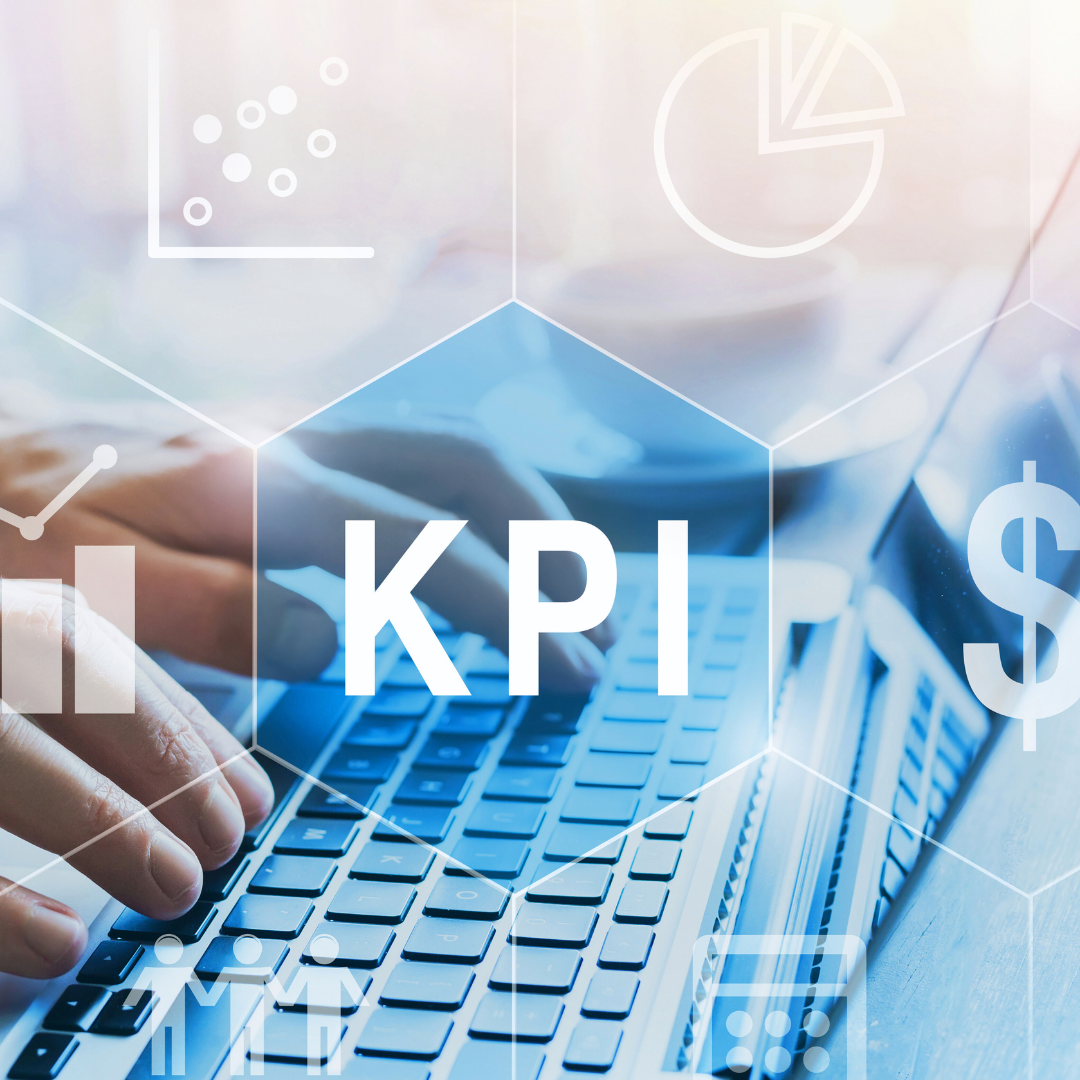
Understanding KPIs Beyond the Surface Level: Unlocking Deeper Business Insights
Many businesses track KPIs without fully understanding their true purpose or impact. KPIs are more than just numbers; they provide insights into business health and guide strategic decisions when interpreted correctly. Recognising this shifts their role from mere measurement tools to vital elements for growth and efficiency. Understanding a KPI requires looking beyond the surface…
-

The Role of Sustainability in Today’s Business Headlines: Driving Long-Term Growth and Responsibility
Sustainability has become a central element in today’s business headlines, reflecting a shift in how companies approach growth and responsibility. Businesses are increasingly integrating sustainable practices to meet regulatory demands, consumer expectations, and long-term profitability. This focus on sustainability influences decisions across industries, from energy use to supply chain management. The rising awareness of environmental…
-
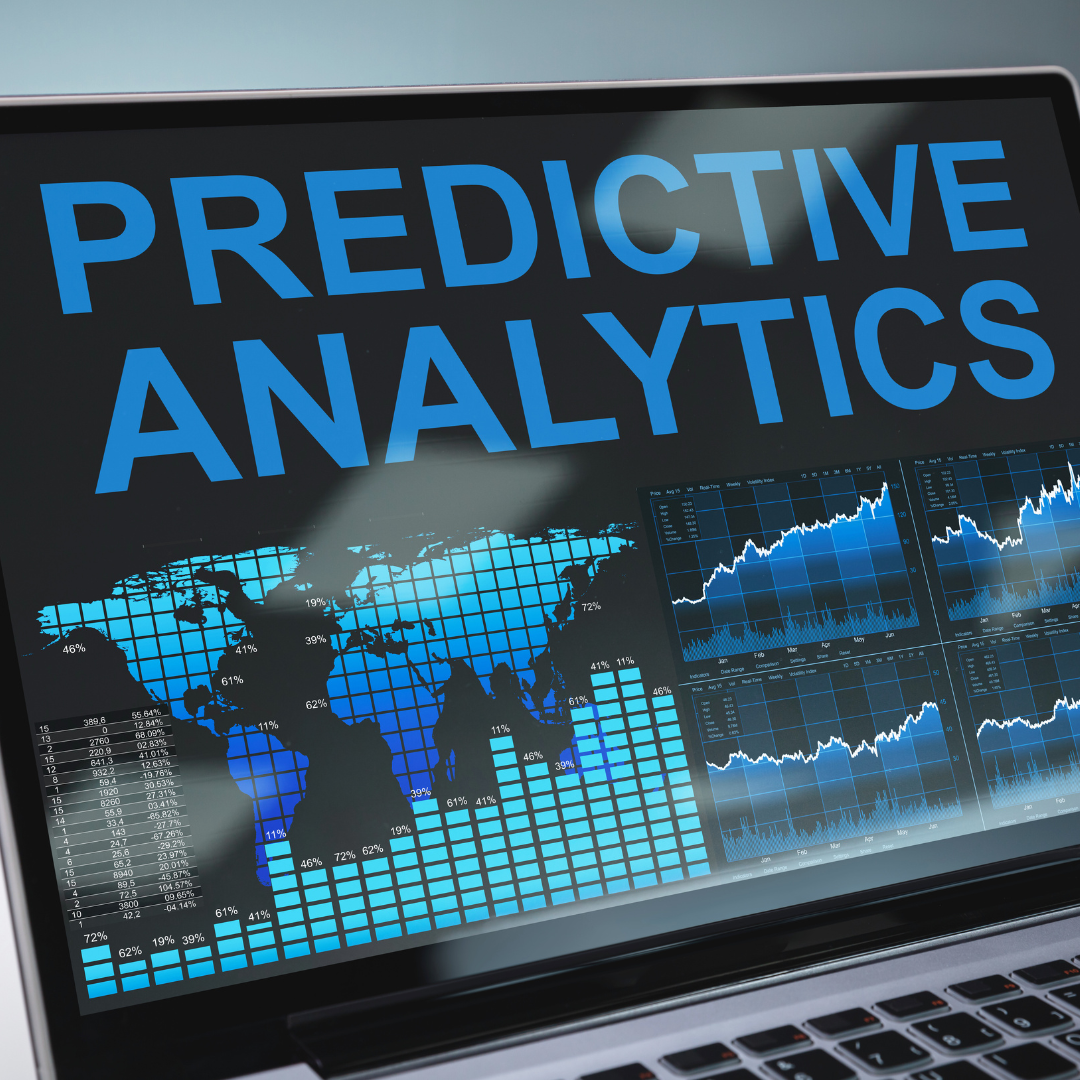
The Role of Predictive Analytics in Business Planning for Optimised Decision-Making
Predictive analytics plays a crucial role in business planning by enabling organisations to make data-driven decisions. It uses historical data and statistical algorithms to forecast future trends, helping businesses anticipate market changes and customer behaviour. By integrating predictive analytics into their planning processes, companies can reduce risks and optimise strategies based on likely outcomes rather…
Categories
Recent Posts
- What to Expect from the Future of Remote Work: Trends and Challenges Ahead

- What Social Media Reveals About Customer Preferences: Insights for Smarter Business Decisions

- What Makes a Good Business Dashboard: Essential Features and Best Practices Explained

- Understanding KPIs Beyond the Surface Level: Unlocking Deeper Business Insights
- The Role of Sustainability in Today’s Business Headlines: Driving Long-Term Growth and Responsibility