

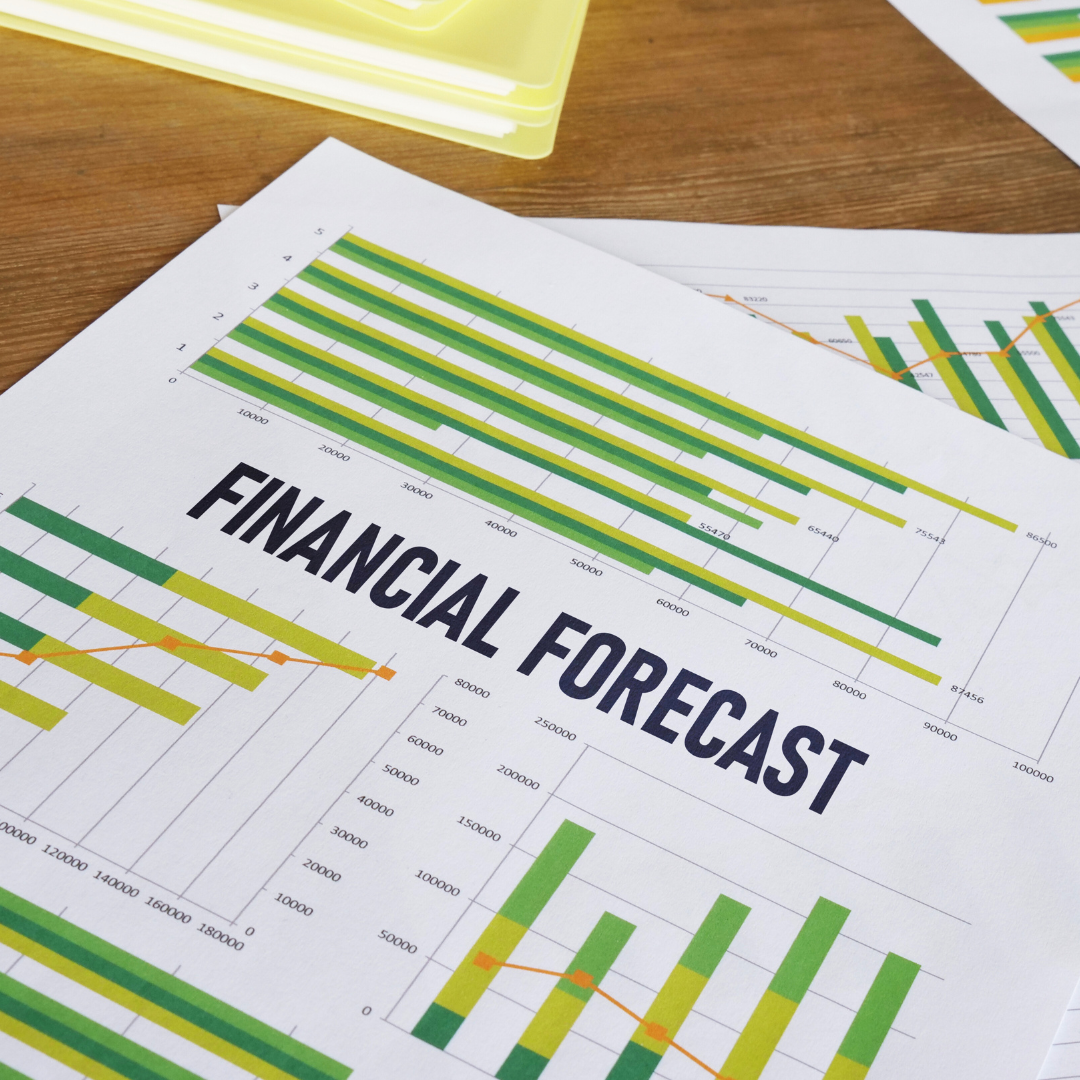
In the rapidly evolving financial landscape, harnessing big data is essential for accurate forecasting. By analysing extensive historical data and market trends, organisations can gain unprecedented insights into potential future outcomes. Leveraging big data enables financial analysts to refine their forecasting models, leading to more reliable predictions and informed decision-making.
Businesses that effectively utilise data analysis techniques can identify patterns and anomalies that traditional methods may overlook. This depth of understanding not only enhances the precision of financial forecasting but also positions companies to respond proactively to changing market conditions. With the right tools and strategies, entities can transform raw financial data into actionable insights.
Embracing big data empowers organisations to create a more dynamic approach to financial forecasting. As they discover correlations and trends within their data, these insights drive smarter strategies and competitive advantages. By integrating comprehensive data analysis into their forecasting processes, businesses can navigate uncertainties with greater confidence.
Understanding Big Data in Financial Forecasting
Big data plays a crucial role in enhancing financial forecasting through various methods and technologies. It allows organisations to analyse vast datasets, offering insights that improve decision-making and forecasting accuracy.
The Role of Big Data Analytics
Big data analytics is pivotal in financial forecasting. By utilising large datasets, organisations can identify patterns and trends that inform decision-making. Real-time data collection enables financial analysts to react promptly to market changes.
Data-driven insights derived from thorough data analysis significantly improve predictive accuracy. Businesses that embrace big data analytics can refine their forecasting models and better anticipate future financial outcomes.
Importance of Data Quality and Integration
Data quality directly influences the effectiveness of financial forecasts. High-quality data ensures that insights drawn are reliable and accurate. Businesses must prioritise data integration processes to merge information from various sources into a cohesive dataset.
Poor data quality can lead to flawed forecasts. To mitigate risks, organisations should implement rigorous data validation and cleansing processes. Ensuring comprehensive and accurate datasets is essential for creating robust financial models.
Machine Learning and Predictive Modelling
Machine learning enhances predictive modelling by employing algorithms that learn from historical data. This technology analyses vast amounts of financial data to recognise patterns and predict future trends.
Predictive analytics tools leverage big data to create sophisticated forecasting models. These models can adapt to new information, improving their accuracy over time. Many financial institutions are increasingly investing in machine learning technologies to refine forecasts and support data-driven decision-making.
Strategies for Enhancing Financial Predictions
Enhancing financial predictions involves a multifaceted approach. Key strategies include integrating economic indicators, utilising advanced analytical tools, and implementing real-time analytics to improve adaptability and decision-making.
Leveraging Economic Indicators and Market Dynamics
Economic indicators serve as critical tools in assessing financial health. Key indicators include GDP growth rates, unemployment figures, and inflation rates. By analysing these factors, organisations can identify trends and forecast potential market movements. Market dynamics, such as supply and demand changes, can also influence financial outcomes.
For effective financial forecasting, monitoring these indicators regularly enables more informed predictions. Statistical models can be employed to correlate economic indicators with past performance, offering actionable insights for future projections. Understanding how these factors interact allows organisations to adjust their financial strategies proactively.
Adopting Advanced Analytical Tools
Advanced analytical tools are essential for refining financial forecasting processes. These tools can range from sophisticated statistical software to machine learning algorithms. They enhance capabilities in data analysis, enabling deeper insights into complex datasets.
Artificial intelligence can improve the accuracy of predictions by identifying patterns that traditional methods might overlook. By employing predictive analytics, organisations can better assess risk management strategies, ensuring they remain ahead of potential challenges. Continuous improvement in analytical techniques is crucial for maintaining a competitive edge.
Integrating Real-Time Analytics for Agility
Real-time analytics provides organisations with immediate access to data, enabling quicker decision-making. By analysing real-time data, businesses can respond to market fluctuations promptly, improving their adaptability.
Incorporating real-time analytics into financial forecasting allows for a dynamic approach to risk management. For instance, organisations can adjust their forecasts based on live market developments, ensuring that predictions remain relevant. This adaptability is essential in today’s fast-paced financial landscape, where trends can shift rapidly.
In summary, leveraging real-time data analysis supports a proactive financial strategy, helping organisations stay aligned with current market realities.
Risk Management and Compliance in Forecasting
Effective risk management and compliance are essential components in financial forecasting. By employing advanced data analytics, organisations can enhance their ability to anticipate risks and ensure adherence to regulatory standards.
Mitigating Risks with Predictive Analytics
Predictive analytics plays a crucial role in financial risk management. By analysing historical data, it identifies patterns and trends, enabling financial institutions to forecast potential risks.
Key Benefits:
- Fraud Detection: Predictive models can flag unusual transactions, allowing for timely investigations.
- Risk Assessment: Organisations can evaluate financial outcomes based on different risk scenarios.
- Risk Mitigation: Data-driven decision-making helps in developing strategies to minimise potential losses.
Using these insights, financial institutions can create more robust forecasting models, ultimately driving better decisions and improving financial stability.
Ensuring Compliance and Regulatory Standards
Compliance with regulatory standards is paramount for financial institutions. Data-driven compliance strategies help organisations to adhere to laws while reducing risks.
Importance of Compliance:
- Regulatory Frameworks: By staying informed on regulatory changes, firms can adjust their forecasting practices promptly.
- Data Governance: Implementing strong data governance ensures accurate reporting and auditing.
- Continuous Monitoring: Regular evaluations of compliance metrics aid in identifying areas that require improvement.
Effective compliance measures not only avoid penalties but also enhance organisational credibility. Employing predictive analytics in this area can lead to more informed strategies that support regulatory adherence.
Maximising Impact through Strategic Financial Planning
Effective financial planning hinges on precise resource allocation, operational efficiency, and robust forecasting methods. By harnessing these elements, organisations can enhance accountability and achieve sustainable growth.
Resource Allocation and Budgeting for Growth
Resource allocation is critical for directing funds towards strategic initiatives. Companies should assess their current financial performance and identify areas that require investment to foster growth.
An effective budgeting process allows firms to prioritise expenditures and ensure that resources are utilised in high-impact areas. This involves creating detailed budgets that include forecasts for cash flow and anticipated expenses. Businesses can employ tools such as zero-based budgeting or activity-based costing to refine their financial strategies.
Implementing regular budget reviews promotes accountability. Teams can compare projected versus actual performance, enabling quick course corrections. This flexibility ensures that organisations can adapt to changing market conditions.
Optimising Financial Operations for Efficiency
Optimising financial operations is essential for enhancing operational efficiency. Companies should evaluate their financial processes to identify bottlenecks that hinder productivity.
Automation tools can help streamline tasks such as invoicing, payroll, and reporting. By reducing manual input, organisations can lower the risk of errors and save time. This efficiency not only improves financial performance but also frees up staff to focus on strategic decision-making.
Moreover, integrating data analytics into financial operations provides valuable insights. Analysing trends and performance metrics allows businesses to make informed decisions that drive cost savings and enhance overall profitability.
Forecasting for Strategic Decision-Making
Financial forecasting is vital for strategic decision-making. Accurate predictions enable organisations to anticipate revenue, expenses, and cash flow requirements.
To create effective forecasts, businesses should use historical data and consider external factors, such as market trends and economic conditions. Employing predictive analytics can enhance the accuracy of these forecasts. This approach enables financial leaders to develop investment strategies aligned with company goals.
Regularly revisiting forecasts and adjusting them based on new data ensures that organisations remain agile. This adaptability is crucial in a dynamic business landscape, allowing companies to pivot in response to emerging opportunities or challenges.